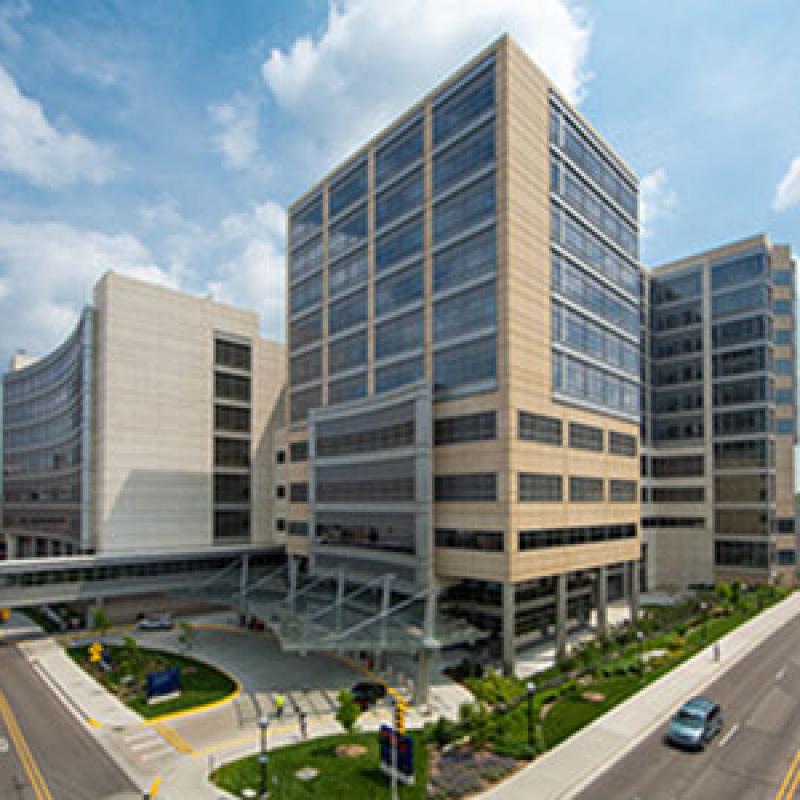



Welcome to the Department of Pediatrics at Michigan Medicine!
Our department has a 100-year history of providing exceptional clinical care, education, and research to the communities we serve. Ann Arbor is a wonderful place to live and work and I am honored to serve as chair of the Department of Pediatrics.
To date, our department has 9 ambulatory clinics and outreach services throughout the state of Michigan. Our research facilities are amongst the best in the world - attracting trainees from all walks of life and in almost every discipline imaginable. With our passion and dedication to research, our department continuously ranks among the top 20 funded Pediatrics departments in the nation.
We pride ourselves on providing exceptional education programs for our medical students, residents, and fellows, and it is my promise to recruit and retain a set of diverse individuals who are passionate about our department’s mission and goals.
Together, it is my hope that we will continue to provide groundbreaking care and innovative research to improve the lives of children everywhere.

Donna Martin, M.D., Ph.D
Chair, Department of Pediatrics
Our mission:
- To provide the highest quality and advanced medical care to children
- To develop new preventive, diagnostic and therapeutic strategies for diseases that impact children through basic, clinical and health services research
- To provide outstanding education across the continuum of pediatric medicine.