Welcome
We do not offer patient care, give out medical advice, or physician recommendations or referrals. We are a research facility only. You may find a list of useful resources for patients here.

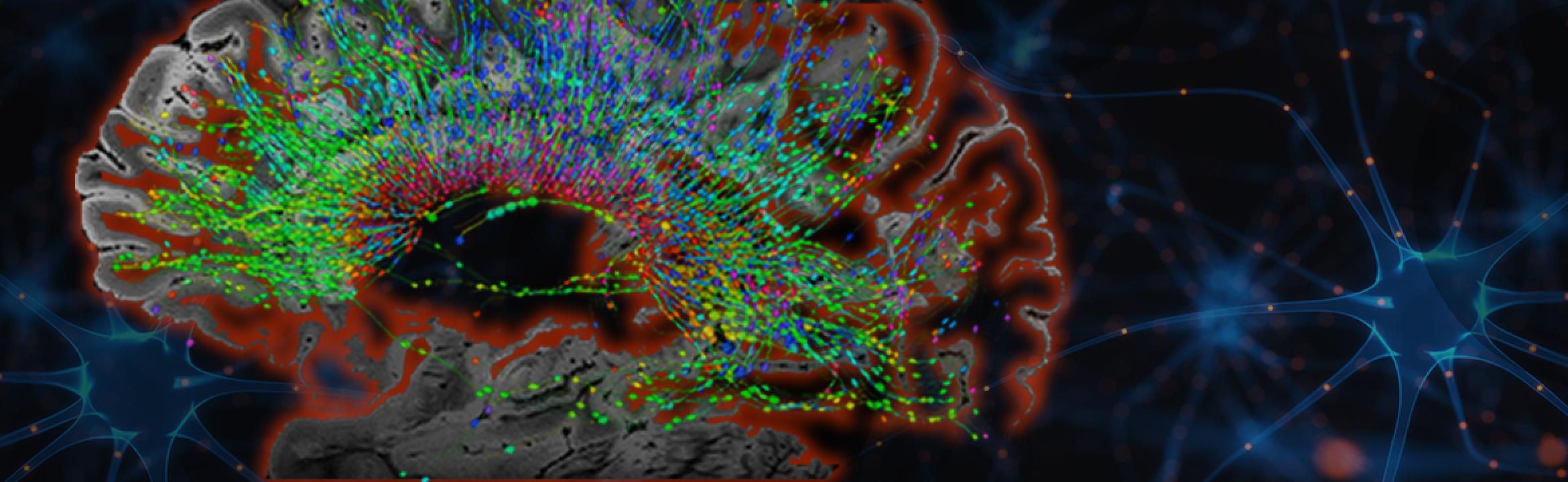
The Chronic Pain and Fatigue Research Center (CPFRC) at the University of Michigan is an inter-disciplinary center committed to improving the understanding and management of disorders distinguished by symptoms of chronic pain and fatigue. Founded in 1998, the group has been instrumental in establishing the importance of studying commonalities in mechanisms that underlie conditions with otherwise seemingly different clinical presentations (e.g., fibromyalgia, interstitial cystitis, osteoarthritis, low back pain, and post-deployment syndromes). One of our primary areas of interest has been in studying the central nervous system contributions to these conditions. We are particularly interested in studying the underlying mechanisms of nociplastic pain, as well as how peripheral and central factors together lead to the experience of pain.
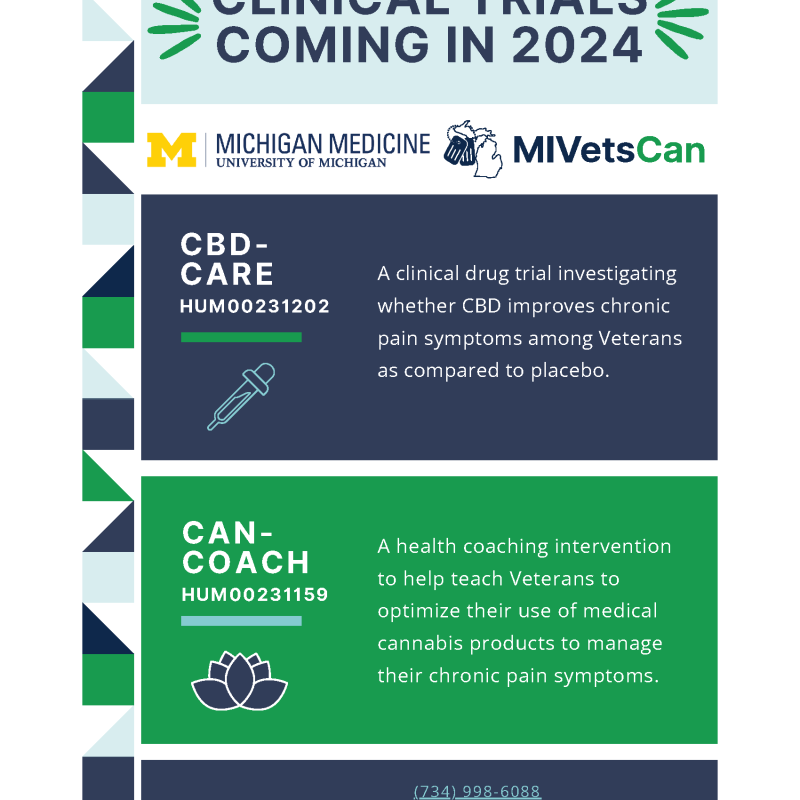
We use a wide range of state-of-the-art research methods to study the underlying mechanisms of chronic pain, including adaptive patient-reported outcome measures, neuroimaging (structural, functional, and neurochemical), multisensory quantitative sensory testing, genetics, ecological momentary assessment, actigraphy, and measures of immune and autonomic nervous system functional and reactivity. We have had a longstanding interest in non-pharmacological therapies such as cognitive-behavioral therapies, exercise, and acupuncture, as well as in performing early testing of new technologies and pharmacological therapies, including cannabis and psychedelics, that might be more effective than our currently available therapies.
Although we are part of the Department of Anesthesiology in the University of Michigan Medical School, we maintain strong ties to many other departments, schools, and colleges across the University of Michigan, and collaborate with investigators worldwide.
In addition to this strong research mission, we are also dedicated to providing current, evidence-based information to people with pain and fatigue, their family and friends, health care providers, and trainees interested in pursuing careers in pain care and research. A prime example of this outreach is PainGuide - a freely available web-based education and self-management resource supporting a patient-centric model of chronic pain care. More recently, we launched PASCGuide – a free online resource supporting a patient-centric model for those living with long COVID, also known as post-acute sequelae of COVID-19 (PASC). Our newly established Health Equity Core works to increase diversity, equity, and inclusion within clinical care, research, and intervention development for chronic pain conditions. In 2022, we received the NIH HEAL National Pain K12 Career Development Award. This award established the CPFRC as the national home of a career development program designed specifically to provide protected time for clinicians and scientists to focus on training in pain science and conducting clinical pain research.