


The Hepatology Program at Michigan Medicine is one of the largest and most well-established programs in the country. Established in 1954, the program has been advancing research, educating healthcare professionals, and providing compassionate care to patients affected by all forms of liver disease for over 50 years.
About Our Program
Headed by Anna Lok, MD, FRCP, past president of American Association for the Study of Liver Diseases, the Hepatology Program includes 18 faculty members and four advanced practice providers with expertise in a wide variety of liver diseases.
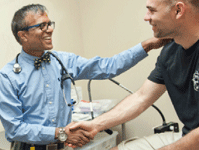
Patient Care
The Hepatology Program has many convenient clinic locations in Ann Arbor and Southeast Michigan. Visit the Liver Disease and Hepatology web page on UofMHealth.org (Michigan Medicine patient portal) for more information.

Research
The Hepatology Program's collaborative research environment includes basic and clinical research to expand the base of scientific knowledge required for cures and improved clinical outcomes. Many of the faculty play key roles in multiple clinical research networks sponsored by the National Institutes of Health (NIH) and Veterans Health Administration.
Education and Training
The hepatology faculty provide comprehensive training in the management of acute and chronic liver diseases to Michigan Medicine gastroenterology fellows from across the country and fourth-year advanced transplant hepatology fellows. Since its establishment over 20 years ago, the program has graduated over 23 fellows who are located across the United States.


