![]() ![]() |
|
.
.
|
CMB Newsletter - May 2007
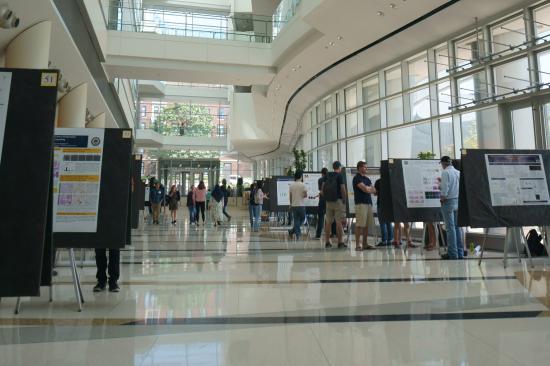
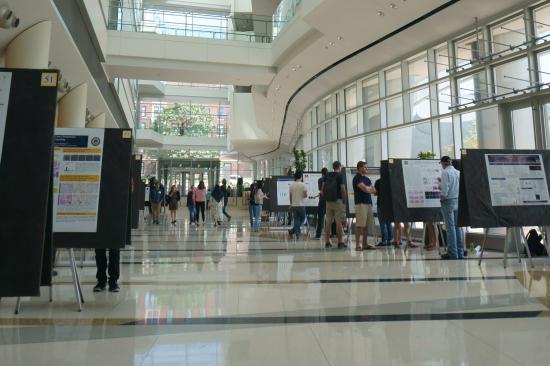
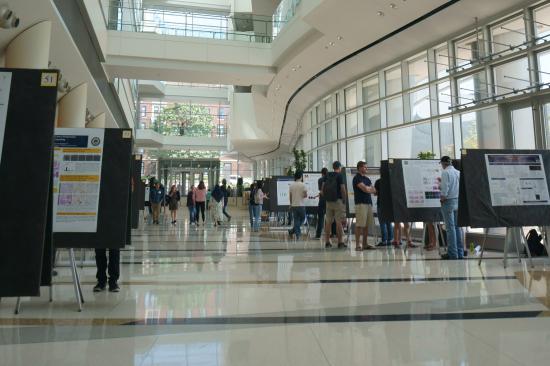
Features Letter from the Director Letter from the DirectorWe are very pleased to announce that the CMB Training Grant has been renewed by NIH for years 31-35, starting July 1, 2007. CMB was awarded 14 trainee positions for the coming year, an increase from the previous grant cycle. Funding will be awarded to incoming students according to a new procedure detailed elsewhere in this Newsletter. CMB is establishing new student awards: Research Presentation Awards will be given to the students whose abstracts are selected for presentation at the Spring Research Forum in May 2007. In the coming year, CMB plans to give an award recognizing Student Research Publications. CMB Director Jessica Schwartz will be on sabbatical for a year starting July 1, 2007. The Program will be in the capable hands of a committee composed of Kathleen Collins, Bob Fuller, Kathy Spindler and Mike Uhler. They will share responsibilities for mentoring students, Program administration, Admissions and Recruiting, and Program activities. Contact the CMB Office at cmbgrad@umich.edu for additional information. The CMB Program Committee Works for YouThe CMB Program Committee determines the policies that run the CMB Program. The Committee meets bi-monthly to discuss issues such as funding, advancement of students to candidacy, student award nominations, approval of thesis committees, student recr uiting, faculty admissions to CMB, and faculty review for continued CMB membership. The Committee also discusses Program revisions (e.g., prelim format) and implements innovations such as, in response to student requests, launching the Research Forum where students give formal, short oral presentations. Special issues are discussed as they arise, as are other items pertaining to the continued growth and success of the CMB Program. The Committee consists of twelve faculty, two elected student representatives and the CMB Administrator. Faculty represent the breadth of the participating departments to assure that a wide variety of viewpoints is maintained; students and faculty hav e equal input. The Director and Associate Directors follow up on relevant issues between meetings, and thus provide information and feedback to the Committee to help with decision making. Committee member Kathy Collins emphasizes, "The most important thing for the students to know is that faculty really care about their views. If the students have ideas about how the Program can be improved, they should bring them to the attention of the Program Committee. This could be done through the student reps, Program Committee members or through one of the directors. Any of these people can bring topics up for discussion so that changes can be instituted."
Meet the New CMB FacultyRadha Ayyagari (Opthamology & Visual Sci) My research addresses molecular mechanisms underlying retinal and macular degenerations. We study the biological basis of these conditions by expressing the disease associated genes in cultured cells, using naturally occurring animal models, generating animal models by gene manipulation, or inducing retinal degeneration by exposing to environmental agents such as light. We aim to identify biological pathways involved in the pathobiology of retinal degeneration process and to develop potential treatments. Daniel Bochar (Biol Chem) The packaging of DNA into chromatin presents a barrier to cellular processes, such as transcription, replication and repair. Controlling access to the chromosomal DNA is an important regulatory point for these processes. Our laboratory focuses on defining the mechanisms of higher eukaryotic gene regulation through the modification of chromatin structure. We study a class of enzymes that use the energy of ATP to alter the chromatin structure. Jimo Borjigin (Physiology) Our laboratory is focused on elucidation of molecular, cellular and physiological mechanisms of circadian clock. Ezra Burstein (Internal Medicine) My laboratory studies the function of COMMD proteins, a highly conserved family of factors characterized by a unique protein domain. We have shown that these proteins function as transcriptional inhibitors of NF-kB signaling. There is evidence that COMMD proteins participate in processes such as adaptation to hypoxia and copper homeostasis, and our data indicate that these events may be linked to the ubiquitination of factors other than NF-kB. Gregory Cartee (Kinesiology) Our research examines the mechanisms that underlie improved glucose transport in skeletal muscle in response to exercise or calorie restriction. We currently focus on the possibility that alterations in several key steps in insulin signaling are important for the enhanced insulin sensitivity with each of these interventions. Raymond Chan (Hum Genetics) My lab examines the higher-order chromosome organization that impacts chromosome segregation, DNA repair and gene expression. We focus on the Structural Maintenance of Chromosomes (SMC) protein complexes and TIM-1, a novel regulator of a conserved SMC protein complex in C. elegans. Cheong-Hee Chang (Micro & Immun) Dr. Chang's laboratory focuses on understanding the molecular and cellular mechanisms that govern the adaptive immune function. Her laboratory has identified a novel development pathway that generates a CD4 T cell population bearing a unique effector function. Currently, the lab studies how thymic selection programs the effector function of developing thymocytes, and the role of the CD4 T cells in the context of inflammation and immune diseases using animal models. Sonja Gerrard (Epidemiology) The focus of my research is Rift Valley fever virus and hantaviruses that cause hantavirus pulmonary syndrome. We have developed a plasmid-based system that allows us to manipulate the genome of these negative- strand RNA viruses and we are using this technology to increase our understanding of how various elements of the viral genome contribute to pathogenesis and virulence and also to identify essential viral functions that can be effectively targeted by small molecule inhibitors. These efforts should lead to rational design of live-attenuated vaccines and to specific treatments for the diseases caused by these viruses. Yvonne Kapila (Periodontics & Oral Medicine) My lab focuses on understanding the underlying cell-matrix interactions that govern disease progression in inflammatory diseases such as periodontal tissues. These studies encompass both basic cell and molecular biology studies and patient/translational investigations. We also work to understand the mechanisms by which matrix metalloproteinases (MMPs) triggered by inflammatory disease-modulated-matrices may enhance osteoclast activity and diminish osteoblast differentiation. We also examine the cell-matrix interactions that govern cell survival and invasion/migration of squamous cell carcinomas. John Kim (Hum Genetics) The Kim Lab studies how microRNAs and other emerging classes of small RNAs regulate fundamental biological processes including neuronal and muscle development, germline maintenance, heterochromatin formation, and oncogenic cell proliferation. The RNA interference (RNAi) and microRNA pathways regulate these diverse activities through sequence-specific gene silencing mechanisms mediated by small RNAs. Using functional genomic, genetic, biochemical, cell biology, and computational strategies, our lab investigates the molecular mechanisms of both the small RNAs and new candidate RNAi/microRNA factors that we have identified by genome-wide screens. Andrew Lieberman (Pathology) We study mechanisms of neurodegeneration in CAG/polyglutamine disorders and Niemann- Pick C using mouse and cellular models. Our goal is understand disease pathogenesis and define novel targets for treatment. Jiandie Lin (CDB) Dr. Lin's laboratory investigates mechanisms that regulate energy homeostasis in cells and in organisms using genetic and genomic tools. He focuses on the PGC-1 family of transcriptional coactivators and their role in the control of mitochondrial biogenesis, fatty acid oxidation, and glucose homeostasis. These studies reveal a highly dynamic transcriptional network that regulates chromatin structure and metabolic gene expression. Dr. Lin is particularly interested in understanding the link between energy metabolism and diseases, including obesity, type 2 diabetes, and cancer. Daniel Michele (Physiology) The Michele laboratory is focused on the molecular mechanisms of human diseases of skeletal and cardiac muscle. By understanding molecular mechanisms of relatively rare genetic disorders, we hope to shed light on common mechanisms that cause these disorders and more common idiopathic or acquired forms of skeletal muscle and cardiovascular disease. Akira Ono (Micro & Immun) My laboratory studies the interactions between cellular structures and enveloped viruses. I am particularly interested in the roles played by cellular membranes during replication of retroviruses including HIV-1. Major areas of research are: i) the role of membrane microdomain structures in virus replication and ii) molecular mechanisms that determine the sites of HIV-1 assembly at the plasma membrane and endosomes. Kenneth Pienta (Urology/Int Med) Our laboratory focuses on biologic mechanisms underlying prostate cancer metastasis. We use these findings to identify novel targets for the treatment of advanced prostate cancer, thus successfully moving bench research to clinical trials. Mark Russell (Pediatric Cardiology) Dr.Russell's laboratory studies mechanisms of cardiac and skeletal myofibril assembly, alignment and structural support, topics central to the pathophysiology and development of new therapies for heart failure, cardiac and skeletal myopathy and muscular dystrophy. He uses cell culture as well as mouse and zebrafish to determine the functions of a novel pair of genes, obscurin and obscurin-like 1, that were cloned and characterized in his lab. Obscurin is required for the assembly and maintenance of myofibrils, and its expression is vital to normal development of heart, skeletal muscle and the central nervous system. The structural and signaling properties of this family of proteins are now being examined using gene targeting strategies. Roger Sunahara (Pharmacology) My laboratory is interested in the structure and function of the G protein-coupled receptor (GPCR) signaling pathway. GPCRs represent the third largest family of genes in the human genome and represent the largest family of membrane proteins. This superfamily of integral membrane proteins serve a sensory role to detect a variety of extracellular stimuli such as hormones, chemokines, light and odorants. We utilize a combination of biochemical and biophysical approaches to elucidate how these stimuli activate these cell surface receptors and lead to activation of G proteins. Deneen Wellik (Int Med/CDB) My laboratory focuses on understanding the role of the Hox genes in mammalian development. Using mice mutant for these genes, we are exploring how Hox genes pattern the developing urogenital system and the axial skeleton. These studies combine mammalian genetics, molecular biology and basic biochemistry to understand how these genes function in development and disease. Recent CMB GraduatesMarsha Blauwkamp (Ron Koenig, Kate Barald mentors) The Role Of Bone Morphogenetic Protein 4 In Inner Ear Development And Function . Marsha plans a research career in industry. Sarah Bradley (Theodora Ross, mentor) The Role of Huntingtin Interacting Protein 1 (Hip1) In Tumorigenesis. Sarah is returning to medical school to complete the MSTP. James Daley (Thomas Wilson, mentor) Rejoining of DNA Double-Strand Breaks with Complex End Structures. Jim will take a postdoctoral position with Dindial Ramotar, Univ Montreal, to work on DNA repair in the context of cellular sensitivity to chemotherapeutic agents. Fred Derheimer (Mats Ljungman, mentor) RPA and ATR Link Transcriptional Stress to p53 . Fred will join the lab of M Kastan at St Jude Med Ctr in Memphis TN.
Jonathan Pan (James Bardwell, mentor) Non-canonical Disulfide Bond Formation in the Model System Escherichia Coli: Implications for Protein Evolution and Pathway Design. Jonathan will travel in Europe and plans to work in the consulting industry. Nicole Willmarth (Stephen Ethier, mentor) The Effect of Amphiregulin and NF- k B/IL-1 Autoinductive Loops on the Proliferative, Invasive, and Migratory Properties of Human Breast Cancer Cells. Nicole will be pursuing a postdoctoral fellowship in Chicago, IL. Recent CMB Student PublicationsBlauwkamp MN , Beyer LA, Kabara L, Takemura K, Buck T, King WM, Dolan DF, Barald KF, Raphael Y and Koenig RJ. The role of bone morphogenetic protein 4 in inner ear development and function. Hearing Res 225: 71-79, 2006. Khandekar M, Brandt W , Zhou Y, Dagenais S, Glover TW, Suzuki N, Shimizu R, Yamamoto M, Lim KC, Engel JD. A Gata2 intronic enhancer confers its pan-endothelia-specific regulation. Development. Mar 29; [Epub ahead of print], 2007. Gummow BM, Scheys JO, Cancelli VR , Hammer GD. Reciprocal regulation of a glucocorticoid receptor-steroidogenic factor-1 transcription complex on the Dax-1 promoter by glucocorticoids and adrenocorticotropic hormone in the adrenal cortex. Mol Endo. 20:2711-23. 2006. Lanning N, Carter-Su C. Recent advances in growth hormone signaling Rev Endo Metab Disord 7:225-235, 2006. Reed NA , Cai D, Blasius TL, Jih GT, Meyhofer E, Gaertig J, Verhey KJ. Microtubule acetylation promotes kinesin-1 binding and transport. Curr Biol. 16:2166-2172, 2006. Rozeboom A , Akil H, Seasholtz AF. Mineralocorticoid receptor overexpression in forebrain decreases anxiety-like behavior and alters the stress response in mice. Proc Natl Acad Sci USA 104:4688-4693, 2007. CMB Student Awards Lymari Lopez-Diaz: 2007 Takeda Research Award from the American Physiological Society (APS) GI and Liver Section, and the APS/NIDDK Minority Travel Award to attend Experimental Biology 2007. Victoria Cancelli: NSF Graduate Research Fellowship Honorable Mention Heather Krueger: Best Poster Award, 9th Annual Midwest DNA Repair Symposium
Heather O'Malley: Lipschutz Award for outstanding female graduate student University-wide Rachel Edwards: Rackham Predoctoral Fellowship Chris Carter: Rackham Predoctoral Fellowship , and Student Award for presentation at UM Department of Internal Medicine Research Day Previews for 2007-2008Myron Levine Lecture. Dr. Elaine Fuchs will present the Myron Levine Lecture on Tuesday September 4, 2007 at Rackham. Dr. Fuchs received her Ph.D. in Biochemistry from Princeton, followed by postdoctoral studies at MIT. After rising through the academic ranks at Univ Chicago, Dr. Fuchs joined Rockefeller Univ where she is currently the Rebecca C. Lancefield Professor, Mammalian Cell Biology and Development. In addition to receiving numerous awards, she is a Howard Hughes Investigator and member of the National Academy of Sciences. Short Course Preview - Fall 07. The topic for the Fall 2007 Short Course will be “Cells at the Edge: the Epithelial- Mesenchymal Transition (EMT)”. We are fortunate to host four speakers who have contributed to the emergence of the EMT field. The first speaker will be W. James Nelson from Stanford University, who studies proteins critical for regulating cell polarity that are commonly altered in EMT. Lee Niswander from the University of Colorado Health Sciences Center studies signaling pathways that regulate EMT in mammalian development. The third lecturer will be M. Angela Nieto from Instituto de Neurociencias de Alicante, Spain, who is interested in the role of EMT in cancer biology. The final speaker will be Dr. Eric Nielson from Vanderbilt University who studies EMT as a contributing factor in the etiology of fibrotic disease. New Procedure for Funding CMB StudentsCMB is implementing a new procedure for students to obtain funding from CMB resources this year. As in the past, PIBS students who want to join CMB inform the Program of their choice by June 15th. In addition, once they have identified mentors, incoming CMB students and their mentors apply for funding from CMB resources; the application deadline for funding is also June 15th. To apply for CMB funding, each student submits a one-page statement with the mentor, describing the research project and interest in CMB. The application also includes a letter of support and background information from the mentor, and administrative materials provided by PIBS. Selection will be made by a subcommittee of the CMB Program Committee, and will be announced by July 1st for immediate funding. Students who have not selected a mentor by the deadline should inform the Program that they are considering CMB, and can submit applications once a mentor is selected; additional applications will be considered if CMB still has resources for student funding. With the recent renewal of the CMB Training Grant, including an additional position, we expect that we will be able to fund most if not all of the PIBS students interested in CMB this year. The timeline is as follows: June 15 . Join CMB
Student and mentor agree that student will join CMB Program. Student informs CMB.
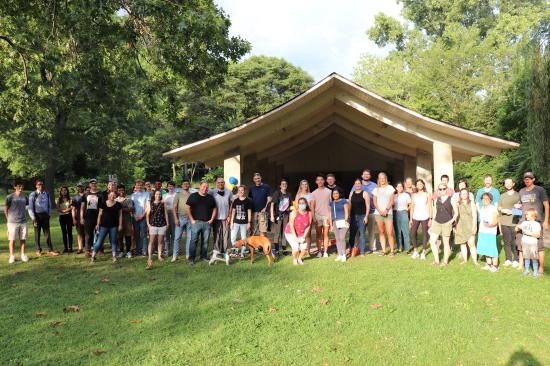
News BriefsThe CMB Social Committee, run by Victoria Cancelli and Heather Krueger, invite CMB students and faculty to:
CMB Newsletter, June 2007 |
||
CMB Program - 2966 Taubman Medical Library - University of Michigan - Ann Arbor MI 48109-0619 (734) 764-5428 (voice) - (734) 647-6232 (fax) - cmbgrad@umich.edu Copyright © 2006 The Regents of the University of Michigan, Ann Arbor, MI 48109 |
|||